

Managing a project can often feel like trying to herd cats while juggling spinning plates. One minute everything is perfectly on track, and the next, a key stakeholder has changed their mind, the budget has miraculously shrunk, and the deadline has been moved forward by a fortnight. If you have spent any time in a professional environment, you have likely witnessed the difference between a project that has a clear roadmap and one that is essentially being made up as it goes along. This is precisely why so many people eventually decide to enrol in a PRINCE2 course.
PRINCE2, which stands for Projects IN Controlled Environments, is not just a fancy acronym to put on your CV. It is a structured methodology that provides a repeatable, scalable, and tailored approach to managing projects of any size. Whether you are working in a small creative agency or a massive multinational organisation, the principles remain the same. The goal is to move away from reactive management—where you are constantly putting out fires—to a proactive state where you understand exactly what needs to happen, who is responsible for it, and how to handle things when they inevitably go off-plan.
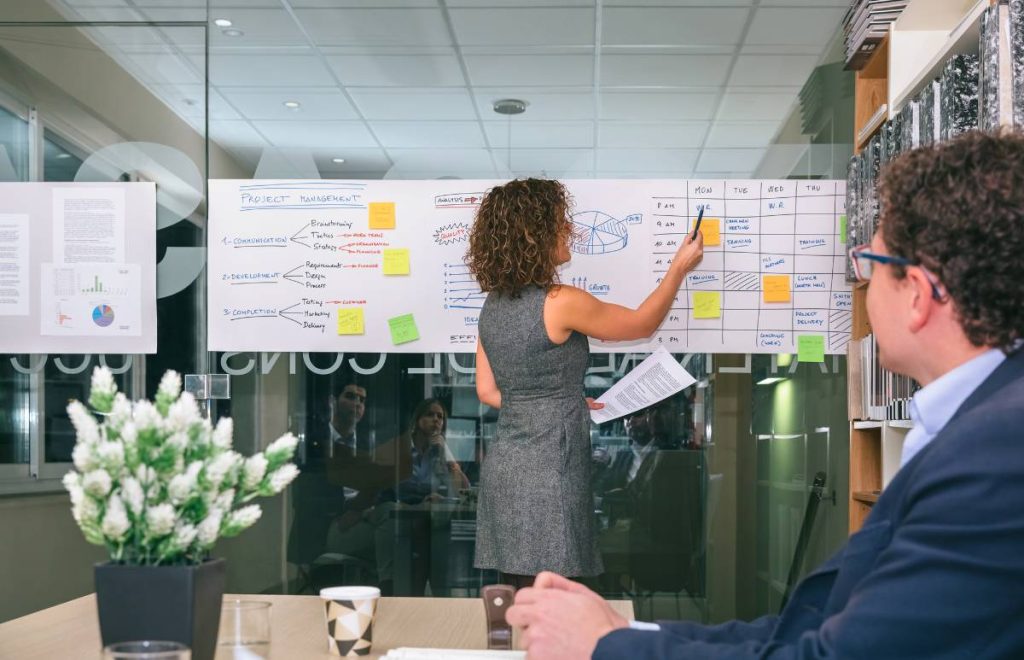
The real difference between Foundation and Practitioner levels
When you start looking into getting certified, you will quickly realise that the journey is usually split into two distinct stages. It is important to understand what each one offers so you can decide how far you need to take your training. Most people begin with the Foundation level, which is designed to give you a solid grasp of the terminology and the framework. It ensures that everyone on a project team is speaking the same language.
However, the real magic happens at the Practitioner level. While the Foundation level asks “What is PRINCE2?”, the Practitioner level asks “How do I actually use this in a real-world scenario?” It focuses on the application of the methodology. If you are the person actually leading the project, the Practitioner level is almost always the better choice. It teaches you how to tailor the method to suit the specific needs of your project, ensuring that you aren’t just following a checklist for the sake of it, but are actually adding value to your organisation.
What you actually learn during the training
A high-quality PRINCE2 course covers much more than just a set of rules. It is built around three main pillars: principles, themes, and processes. These are the building blocks that allow a project manager to maintain control from the very first day until the project is officially closed. Here is a breakdown of the core themes that you will dive into during your studies:
- Business Case: Ensuring the project is actually worth doing and remains viable throughout its lifecycle.
- Organisation: Defining roles and responsibilities so everyone knows exactly what is expected of them.
- Quality: Making sure the final product meets the requirements and is fit for purpose.
- Plans: Working out how the work will be achieved and how long it will take.
- Risk: Identifying potential problems before they happen and having a plan to deal with them.
- Change: Managing requests for changes to the project scope without letting everything spiral out of control.
- Progress: Checking where you are against where you planned to be and making adjustments as needed.
Why the PRINCE2 methodology is still the industry standard
In a world full of new project management trends and software tools, you might wonder if a methodology created decades ago is still relevant. The truth is that PRINCE2 has evolved significantly over the years. The latest versions are designed to be fully compatible with Agile working environments, meaning you can combine the rigour of PRINCE2 with the flexibility of modern software development practices. It provides the governance and oversight that senior management requires, while still allowing the delivery teams to work in a way that suits them best.
Furthermore, because it is used globally, having this qualification means you can move between industries and even countries with ease. The terminology is universal. If you tell a project board in London or Sydney that you are currently in the “Initiating a Project” process, they will know exactly what stage you are at and what documentation should be present. This level of consistency is invaluable for large organisations that run multiple projects simultaneously.
The impact on your career and earning potential
Let’s talk about the practical side of things: your career progression. Recruiters often use specific certifications as a filter when hiring for project management roles. Without a recognised qualification, your application might not even reach the hiring manager’s desk, regardless of your experience. Completing a professional course demonstrates a commitment to your craft and a level of expertise that sets you apart from the competition.
Beyond just getting the job, there is the matter of salary. Statistics consistently show that project managers with a PRINCE2 certification earn significantly more than those without. It is an investment in yourself that usually pays for itself within the first year of securing a new role or a promotion. It gives you the confidence to lead larger teams and manage bigger budgets, which naturally leads to higher-level opportunities within your chosen industry.
How to prepare for your certification exam
The exams can be quite daunting, especially if you haven’t sat in a classroom environment for a few years. However, with the right approach, they are perfectly manageable. Most people find that the key is not just memorising the manual, but understanding the logic behind the methodology. The exams are designed to test your ability to apply the principles to a scenario, rather than just reciting facts.
When you are choosing how to study, you have a few options. Some people prefer the intensive nature of a classroom-based environment where they can ask questions in real-time. Others prefer the flexibility of online learning, which allows them to fit their studies around their existing work and family commitments. Whichever route you choose, make sure you take advantage of practice papers. Getting used to the style of questions and the timing of the exam is often just as important as knowing the content itself.

Common myths about the PRINCE2 framework
There are a few misconceptions that often put people off taking the plunge. Some believe it is too bureaucratic or involves too much paperwork. While it is true that documentation is a part of the process, the methodology explicitly states that it should be “tailored” to the project. This means if you are running a small project, you don’t need fifty different reports; you just need the right information to make informed decisions. Another myth is that it is only for IT professionals. In reality, it is used in construction, marketing, healthcare, and the public sector every single day.
Ultimately, the value of the training lies in the mindset shift it creates. You stop seeing a project as a single, overwhelming task and start seeing it as a series of manageable stages. You learn how to delegate effectively, how to communicate with stakeholders in a language they understand, and how to ensure that every penny spent on a project is contributing to a clear business goal. It provides a safety net that protects both the project manager and the organisation from the risks that come with change and innovation.
Choosing to sit a formal course is often the turning point in a professional’s career. It marks the transition from being someone who “helps out with projects” to being a professional project manager. By mastering the seven principles and learning how to apply them to the real-world challenges you face in the office, you become a much more effective leader and a more valuable asset to any team you join.

Madison is a disability rights advocate and writer, specializing in policies, accessibility solutions, and inclusive initiatives that empower individuals with disabilities.